The opioid epidemic has had a devastating impact on communities across the United States, and women have been particularly affected. The number of women struggling with opioid addiction and experiencing overdose has been steadily increasing in recent years. This article will explore the use of medication-assisted treatment (MAT) as a potential solution to help women overcome opioid dependency.
Key Takeaways
- MAT (Medication-Assisted Treatment) is a treatment option for opioid dependency that combines medication with counseling and behavioral therapies.
- Women are particularly vulnerable to the opioid epidemic, with higher rates of overdose and addiction than men.
- Suboxone is a medication used in MAT that helps women manage withdrawal symptoms and cravings.
- ZubSolv, Sublocade, and Brixadi are newer MAT options that offer longer-lasting effects and easier administration.
- Vivitrol is a non-opioid MAT option that blocks the effects of opioids and can be used as part of a comprehensive treatment plan for women.
What is MAT?
Medication-assisted treatment (MAT) is an evidence-based approach to treating opioid addiction. It combines the use of medications with counseling and behavioral therapies to provide a comprehensive approach to recovery. MAT helps to stabilize brain chemistry, reduce cravings, and normalize body functions that have been disrupted by opioid use.
There are three main types of medications used in MAT: methadone, buprenorphine, and naltrexone. Methadone is a long-acting opioid agonist that helps to reduce withdrawal symptoms and cravings. Buprenorphine is a partial opioid agonist that also helps to alleviate withdrawal symptoms and cravings, but with a lower risk of overdose compared to methadone. Naltrexone is an opioid antagonist that blocks the effects of opioids and reduces cravings.
The Opioid Epidemic and Women
The opioid epidemic has had a significant impact on women, with rates of opioid use and overdose steadily increasing among this population. According to the Centers for Disease Control and Prevention (CDC), the rate of opioid overdose deaths among women has increased by 400% between 1999 and 2018.
There are several factors that contribute to women’s vulnerability to opioid addiction. Women are more likely than men to be prescribed opioids for chronic pain, putting them at higher risk for developing dependency. Additionally, women may be more likely to experience trauma, such as physical or sexual abuse, which can increase their susceptibility to substance abuse.
Barriers to accessing treatment also disproportionately affect women. Women may face challenges such as childcare responsibilities, lack of transportation, and stigma surrounding addiction that can make it difficult for them to seek help. This highlights the need for accessible and gender-specific treatment options for women.
How Suboxone Helps Women with Opioid Dependency
Suboxone is a medication used in MAT that combines buprenorphine and naloxone. Buprenorphine helps to reduce withdrawal symptoms and cravings, while naloxone blocks the effects of opioids and reduces the risk of misuse. Suboxone is taken as a sublingual film or tablet.
Suboxone has several benefits for women with opioid dependency. It can help to stabilize brain chemistry, reduce cravings, and alleviate withdrawal symptoms, making it easier for women to focus on their recovery. Suboxone also has a lower risk of overdose compared to other opioids, making it a safer option for women.
However, Suboxone does come with potential side effects and risks. Common side effects include headache, nausea, constipation, and insomnia. There is also a risk of misuse or diversion of Suboxone, so it is important for women to be closely monitored while taking this medication.
ZubSolv: A New Treatment Option for Opioid Dependency
ZubSolv is a newer medication used in MAT that also combines buprenorphine and naloxone. It is similar to Suboxone in terms of its mechanism of action and benefits, but it has some unique features that may make it a preferred option for some women.
One advantage of ZubSolv is its smaller tablet size, which may be more comfortable for some individuals to take. It also dissolves more quickly under the tongue, allowing for faster absorption of the medication. Additionally, ZubSolv has a minty flavor that may be more palatable for some patients.
Like Suboxone, ZubSolv has potential side effects such as headache, nausea, constipation, and insomnia. It is important for women to discuss their individual needs and preferences with their healthcare provider to determine if ZubSolv is the right choice for them.
Sublocade: A Long-Acting Injectable for Opioid Dependency
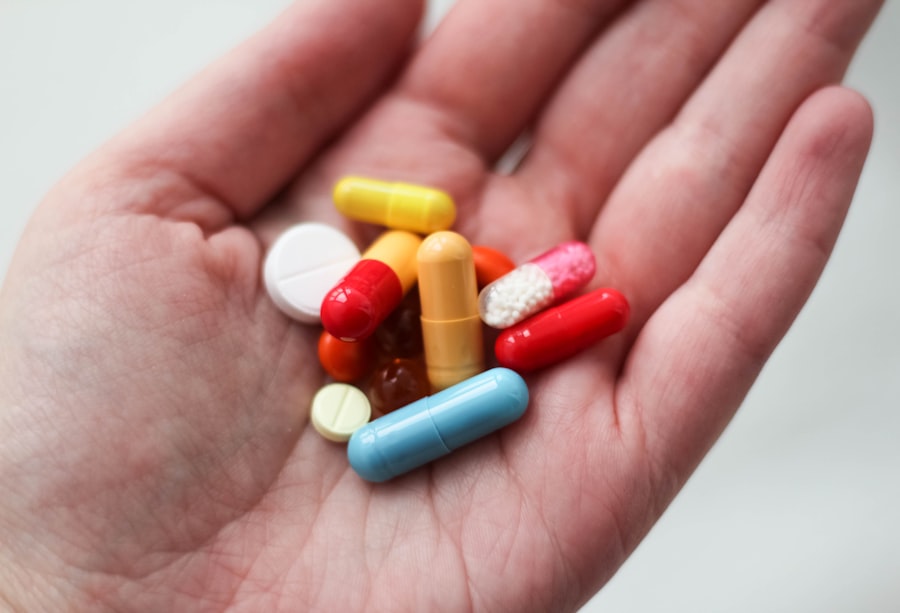
Sublocade is a long-acting injectable medication used in MAT that contains buprenorphine. It is administered once a month by a healthcare provider, providing a sustained release of the medication over time.
One of the main benefits of Sublocade is its convenience. Women do not have to remember to take a daily medication, as the injection provides continuous coverage for a month. This can be particularly helpful for individuals who struggle with adherence to daily medication regimens.
Sublocade also reduces the risk of misuse or diversion, as the medication is administered by a healthcare provider. This can provide peace of mind for women who may be concerned about the potential for misuse or accidental ingestion by children.
However, Sublocade does come with potential side effects and risks. Common side effects include constipation, nausea, headache, and injection site reactions. It is important for women to discuss their medical history and any potential risks with their healthcare provider before starting Sublocade.
Brixadi: A Monthly Injection for Opioid Dependency
Brixadi is another monthly injectable medication used in MAT that contains buprenorphine. It provides a sustained release of the medication over time, similar to Sublocade.
One advantage of Brixadi is its flexible dosing options. It comes in different strengths, allowing healthcare providers to tailor the dose to each individual’s needs. This can be particularly beneficial for women who may require higher or lower doses based on their unique circumstances.
Brixadi also reduces the risk of misuse or diversion, as the medication is administered by a healthcare provider. This can provide reassurance for women who may be concerned about the potential for misuse or accidental ingestion by children.
Like Sublocade, Brixadi has potential side effects such as constipation, nausea, headache, and injection site reactions. Women should discuss their medical history and any potential risks with their healthcare provider before starting Brixadi.
Vivitrol: A Non-Opioid Treatment for Opioid Dependency
Vivitrol is a non-opioid medication used in MAT that contains naltrexone. Unlike methadone and buprenorphine, which are opioids themselves, Vivitrol blocks the effects of opioids and reduces cravings without producing any opioid-like effects.
One of the main benefits of Vivitrol is that it does not carry the risk of misuse or diversion, as it is not an opioid. This can be particularly appealing for women who may have concerns about taking an opioid medication.
Vivitrol also eliminates the need for daily dosing, as it is administered once a month by a healthcare provider. This can be convenient for women who may have difficulty adhering to a daily medication regimen.
However, Vivitrol does come with potential side effects and risks. Common side effects include injection site reactions, nausea, headache, and fatigue. It is important for women to discuss their medical history and any potential risks with their healthcare provider before starting Vivitrol.
The Benefits and Risks of MAT for Women
Overall, medication-assisted treatment (MAT) can provide significant benefits for women with opioid dependency. It helps to stabilize brain chemistry, reduce cravings, and alleviate withdrawal symptoms, making it easier for women to focus on their recovery. MAT also reduces the risk of overdose compared to other opioids, making it a safer option.
However, it is important to recognize that each medication used in MAT comes with its own set of benefits and risks. Women should work closely with their healthcare provider to determine the best medication and dosage for their individual needs. Regular monitoring and ongoing support are also crucial for women in MAT to ensure their continued success in recovery.
MAT as a Lifeline for Women Battling Opioid Dependency
Medication-assisted treatment (MAT) has emerged as a lifeline for women battling opioid dependency. The opioid epidemic has had a devastating impact on women, with rates of opioid use and overdose steadily increasing. MAT provides a comprehensive approach to recovery, combining the use of medications with counseling and behavioral therapies.
Suboxone, ZubSolv, Sublocade, Brixadi, and Vivitrol are all medications used in MAT that can help women overcome opioid dependency. Each medication has its own set of benefits and risks, and it is important for women to work closely with their healthcare provider to determine the best option for their individual needs.
In order to address the opioid epidemic among women, increased access to MAT and ongoing support is crucial. Women face unique challenges and barriers to treatment, and it is important to provide gender-specific and accessible options. By expanding access to MAT and providing comprehensive support, we can help women on their journey to recovery and reduce the devastating impact of the opioid epidemic.
If you’re interested in learning more about medication-assisted treatment (MAT) and its impact on women battling opioid dependency, you may find the article “Suboxone Addiction: Understanding the Risks and Benefits” on Maintaining Miracles’ website quite informative. This article delves into the specifics of Suboxone, a commonly used medication in MAT, discussing its potential benefits as well as the risks associated with its use. It provides valuable insights for individuals seeking a comprehensive understanding of MAT and its role in addiction recovery. To read the article, click here.
FAQs
What is MAT?
MAT stands for Medication-Assisted Treatment. It is a treatment approach that combines medication with counseling and behavioral therapies to treat substance use disorders, particularly opioid dependency.
How does MAT work?
MAT works by using medications such as methadone, buprenorphine, and naltrexone to reduce cravings and withdrawal symptoms associated with opioid use. These medications are combined with counseling and behavioral therapies to help individuals achieve and maintain recovery.
Is MAT effective?
Yes, MAT has been shown to be effective in treating opioid dependency. Studies have shown that individuals who receive MAT are more likely to remain in treatment, reduce their use of opioids, and reduce their risk of overdose.
Is MAT only for women?
No, MAT is not only for women. It is a treatment approach that can be used by anyone who is struggling with opioid dependency.
What are the benefits of MAT for women?
MAT can provide a lifeline for women who are battling opioid dependency by reducing cravings and withdrawal symptoms, improving overall health and well-being, and increasing the likelihood of successful recovery. It can also help women who are pregnant or parenting by reducing the risk of harm to themselves and their children.
Are there any side effects of MAT?
Like any medication, there can be side effects associated with MAT. However, the benefits of MAT generally outweigh the risks. Common side effects include nausea, constipation, and drowsiness.
Is MAT covered by insurance?
MAT is covered by most insurance plans, including Medicaid and Medicare. However, coverage may vary depending on the specific plan and provider. It is important to check with your insurance provider to determine your coverage options.